

How Google Indexing Has Changed in 2026: What Website Owners Need to Know
- July 18, 2026
- Uncategorized
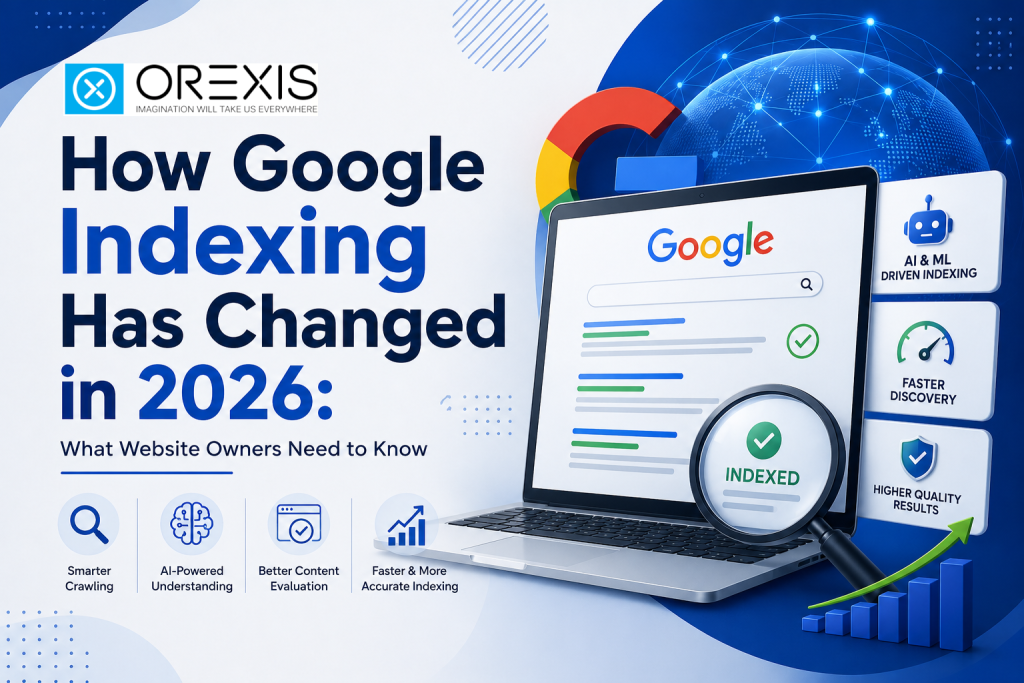
Google's indexing process has evolved significantly in 2026, driven by artificial intelligence, improved crawling technologies, and a greater focus on content quality. Simply publishing a webpage is no longer enough to ensure it appears in search results. Websites must now provide valuable, well-structured, and trustworthy content that meets user intent.
If your new pages are taking longer to appear in Google Search or your indexed pages aren't ranking as expected, understanding Google's latest indexing approach is essential.
In this guide, we'll explore what's changed and how you can optimize your website for better indexing and visibility.
What Is Google Indexing?
Google indexing is the process of storing and organizing web pages in Google's database after they have been discovered through crawling. Once a page is indexed, it becomes eligible to appear in Google Search results.
The indexing process generally follows these steps:
- Google discovers your page through links or your XML sitemap.
- Googlebot crawls the page.
- Google analyzes the content, images, videos, and structured data.
- If the page meets Google's quality standards, it is added to the search index.
What's New About Google Indexing in 2026?
1. AI Plays a Bigger Role in Understanding Content
Google now uses advanced AI systems to better understand the meaning behind content instead of relying heavily on exact-match keywords.
This means Google evaluates:
- Overall topic relevance
- Content depth
- Context
- User intent
- Expertise demonstrated throughout the page
Instead of asking, "Does this page contain the keyword?" Google increasingly asks, "Does this page fully answer the user's question?"
2. Faster Doesn't Always Mean Better
Many website owners expect new pages to be indexed within hours. In 2026, indexing speed depends more on website quality than on submission alone.
Google prioritizes websites that consistently publish:
- Original content
- Helpful information
- Regular updates
- Strong internal linking
- High technical quality
Publishing dozens of low-value pages may actually slow your overall indexing performance.
3. Content Quality Has Become the Primary Ranking Signal
Google has become more selective about what it indexes.
Pages that often struggle include:
- Thin content
- AI-generated content without human editing
- Duplicate articles
- Pages with little unique value
- Automatically generated location pages
Comprehensive, well-researched content is far more likely to be indexed and ranked.
4. Internal Linking Matters More Than Ever
Google relies heavily on internal links to discover and prioritize pages.
Best practices include:
- Link related blog posts together.
- Use descriptive anchor text.
- Create topic clusters.
- Avoid orphan pages with no internal links.
Strong internal linking helps Google understand your site's structure and importance.
5. Structured Data Improves Content Understanding
Schema markup continues to play an important role in helping Google interpret your content.
Useful schema types include:
- Article
- FAQ
- Product
- Local Business
- Organization
- Review
- Breadcrumb
Structured data doesn't guarantee higher rankings, but it improves Google's understanding of your pages and can enhance search appearance.
6. Website Experience Still Influences Indexing
Google continues rewarding websites that provide a positive user experience.
Important factors include:
- Fast loading speed
- Mobile-friendly design
- HTTPS security
- Stable page layout
- Easy navigation
Technical performance helps Google crawl and process pages more efficiently.
7. Fresh Content Gets More Attention
Google increasingly favors websites that regularly update existing content rather than constantly publishing new articles.
Updating older blog posts with:
- Current statistics
- New examples
- Updated screenshots
- Fresh FAQs
- Additional insights
can improve crawling frequency and search visibility.
Common Reasons Your Pages Aren't Getting Indexed
If Google isn't indexing your content, check for these common issues:
- Poor-quality or duplicate content
- Incorrect noindex tags
- Robots.txt blocking crawlers
- Missing internal links
- Slow server response
- Weak website authority
- Orphan pages
- Canonical tag errors
Google Search Console is the best place to identify indexing issues.
Best Practices to Improve Indexing in 2026
Publish Helpful, Original Content
Create content that answers real user questions and provides unique insights rather than repeating existing information.
Build Topic Clusters
Instead of isolated blog posts, organize content around broader topics with strong internal linking.
Keep XML Sitemaps Updated
Ensure your sitemap includes important pages and is submitted through Google Search Console.
Improve Crawl Efficiency
Remove broken links, fix redirect chains, and optimize your website architecture.
Strengthen EEAT Signals
Demonstrate:
- Experience
- Expertise
- Authoritativeness
- Trustworthiness
Include author information, cite reliable sources, and maintain transparency.
Monitor Search Console Regularly
Check:
- Crawled but not indexed pages
- Index coverage reports
- Crawl statistics
- Page indexing status
The Future of Google Indexing
As AI continues to reshape search, Google is becoming better at understanding content quality, context, and user satisfaction. Websites that focus on genuinely helping users, maintaining technical excellence, and publishing authoritative content are more likely to see consistent indexing and stronger organic visibility.
Rather than chasing quick SEO tricks, businesses should invest in creating valuable, trustworthy content that answers users' questions clearly and comprehensively.
Final Thoughts
Google indexing in 2026 is no longer just about getting pages crawled—it's about proving that your content deserves a place in Google's search results. By prioritizing quality, technical optimization, internal linking, and user experience, you can improve your site's chances of being indexed quickly and performing well in search.
Whether you run a business website, an e-commerce store, or a personal blog, adapting to these indexing changes will help you build long-term organic growth and stay competitive in the evolving world of search.
About us
Orexis is one of the leading Digital marketing companies in Kozhikode, Kerala, that delivers Complete digital Marketing services like Social media promotions, SEO, PPC, Branding, etc. to their clients. Cost-effective online advertising services and customer satisfaction are our mottoes.
Subscribe to our newsletter!



Recent Posts
- Facebook Ads vs Instagram Ads: Does Placement Still Matter? October 10, 2026
- How Short-Form Videos Are Changing Brand Discovery September 24, 2026
- 2026 Digital Marketing Predictions: What Marketers Should Prepare for Now September 19, 2026
 Reach us on WhatsApp