

AI Agents in Marketing: How to Build Fully Automated Campaign Systems (2026 Guide)
- June 22, 2026
- Uncategorized
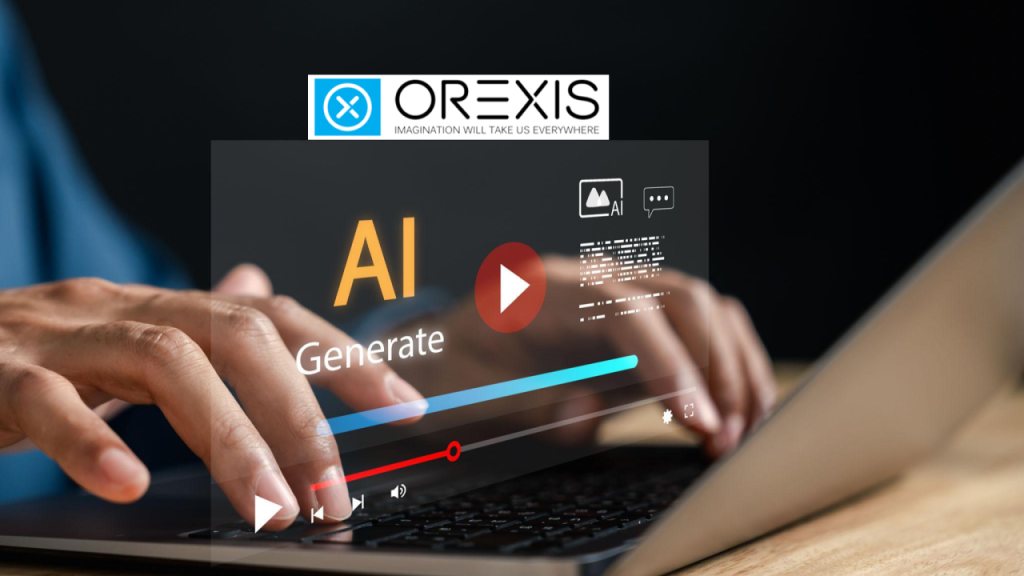
Marketing in 2026 is no longer about manual execution—it’s about intelligent automation. AI agents are transforming how businesses attract, engage, and convert customers by handling complex marketing tasks autonomously. From campaign planning to optimization, AI-powered systems are reshaping the entire marketing ecosystem.
This guide walks you through what AI agents are, how they work in marketing, and how you can build a fully automated campaign system that delivers consistent results.
What Are AI Agents in Marketing?
AI agents are autonomous software programs that use machine learning, data analysis, and natural language processing to perform marketing tasks with minimal human intervention.
Unlike traditional tools, AI agents can:
- Analyze large volumes of data in real-time
- Make decisions based on predictive insights
- Execute campaigns automatically
- Continuously learn and improve performance
Platforms like ChatGPT and HubSpot are early examples of AI-driven systems evolving into full-fledged marketing agents.
Why AI Agents Are the Future of Marketing
1. Hyper-Personalization at Scale
AI agents analyze user behavior, preferences, and engagement patterns to deliver personalized experiences across channels.
2. Real-Time Decision Making
Instead of waiting for reports, AI agents optimize campaigns instantly—adjusting bids, creatives, and targeting.
3. Cost Efficiency
Automating repetitive tasks reduces operational costs and improves ROI.
4. 24/7 Campaign Execution
AI agents never sleep. They continuously monitor and optimize campaigns around the clock.
Key Components of a Fully Automated Marketing System
To build an AI-driven marketing engine, you need to integrate several components:
1. Data Collection Layer
This includes:
- Website analytics
- CRM data
- Social media insights
- Ad platform metrics
Tools like Google Analytics and Salesforce help centralize data.
2. AI Decision Engine
The brain of your system, responsible for:
- Predictive analysis
- Audience segmentation
- Budget allocation
- Campaign optimization
This is where AI models process data and make decisions.
3. Execution Layer
AI agents deploy campaigns across:
- Google Ads
- Meta Ads
- Email marketing
- SMS and WhatsApp campaigns
Automation tools like Zapier connect different platforms for seamless execution.
4. Feedback & Learning Loop
The system continuously learns from:
- Campaign performance
- User engagement
- Conversion data
This ensures ongoing improvement and smarter decisions over time.
Step-by-Step: How to Build an AI Marketing Automation System
Step 1: Define Clear Objectives
Start with specific goals:
- Lead generation
- Sales conversion
- Brand awareness
- Customer retention
Without clear objectives, automation can become directionless.
Step 2: Centralize Your Data
Integrate all data sources into a single platform. Use APIs or tools like Segment to unify your data.
Step 3: Choose the Right AI Tools
Select tools based on your needs:
- Content creation: Jasper AI
- Chatbots: Drift
- Ad optimization: Adzooma
Step 4: Build Automated Workflows
Create workflows such as:
- Lead capture → Email nurturing → Retargeting ads
- Website visit → Personalized offer → Follow-up email
Use automation platforms to connect each stage.
Step 5: Implement AI-Powered Personalization
Leverage AI to:
- Customize email content
- Personalize landing pages
- Recommend products dynamically
Step 6: Enable Autonomous Campaign Optimization
Set rules and AI models to:
- Adjust ad budgets
- Pause underperforming campaigns
- Scale high-performing ads
Step 7: Monitor, Test, and Improve
Even with automation, human oversight is essential:
- Review performance dashboards
- Run A/B tests
- Refine strategies
Real-World Use Cases
E-commerce
AI agents:
- Recommend products
- Trigger abandoned cart emails
- Optimize ad spend
Educational Institutes
Automate:
- Lead nurturing
- Course recommendations
- Admission follow-ups
Healthcare Marketing
AI handles:
- Appointment reminders
- Patient engagement campaigns
- Personalized health tips
Benefits of Fully Automated Campaign Systems
- Increased conversion rates
- Faster campaign execution
- Better customer experience
- Data-driven decision-making
- Scalable marketing operations
Challenges to Consider
While powerful, AI agents come with challenges:
- Data privacy and compliance
- Over-reliance on automation
- Initial setup complexity
- Need for quality data
Balancing automation with human strategy is key.
Future Trends in AI Marketing (2026 & Beyond)
- Autonomous marketing ecosystems
- Voice and conversational AI dominance
- Predictive customer journey mapping
- AI-generated video and creative assets
- Deeper integration with CRM and sales systems
Companies that adopt AI agents early will gain a significant competitive advantage.
Final Thoughts
AI agents are not just tools—they are becoming digital marketers themselves. Businesses that embrace fully automated campaign systems can achieve higher efficiency, better targeting, and improved ROI.
However, the goal is not to replace marketers but to empower them. The most successful strategies combine AI automation with human creativity and strategic thinking.
About us
Orexis is one of the leading Digital marketing companies in Kozhikode, Kerala, that delivers Complete digital Marketing services like Social media promotions, SEO, PPC, Branding, etc. to their clients. Cost-effective online advertising services and customer satisfaction are our mottoes.
Subscribe to our newsletter!



Recent Posts
- How Short-Form Videos Are Changing Brand Discovery September 24, 2026
- 2026 Digital Marketing Predictions: What Marketers Should Prepare for Now September 19, 2026
- AI Overviews Are Changing Google Search: What Businesses Need to Do Now September 12, 2026
 Reach us on WhatsApp